Dental Bonding in Virginia Beach, VA
Not every cosmetic dental concern calls for a major procedure. Sometimes, a small chip, a slight gap, or an uneven edge is all that stands between you and the smile you want. These little imperfections can be easy to live with, but they are often simple to correct. Dental bonding offers one of the most straightforward ways to improve them. The process is gentle, the results look natural, and most patients leave the office the same day with a noticeably improved smile.
At Shoreline Cosmetic & Family Dentistry, composite bonding is one of the many cosmetic dentistry services we offer to help Virginia Beach patients feel more confident in the way their teeth look. Dr. Brittany Wood takes a careful, detail-oriented approach to bonding, matching the composite resin to your natural tooth color so the repair blends in seamlessly. Our practice opened in 2023 and welcomes patients of all ages seeking thoughtful, personalized care.
How Dental Bonding Works
Dental bonding uses a tooth-colored composite resin that your dentist shapes directly onto the tooth. Unlike veneers or crowns, which are fabricated in a lab and require multiple visits, bonding is typically completed in a single appointment. According to the Cleveland Clinic, the procedure takes about 30 to 60 minutes per tooth, and the bonding material generally lasts between three and ten years, depending on your oral habits and which teeth are treated.
The Process, Step by Step
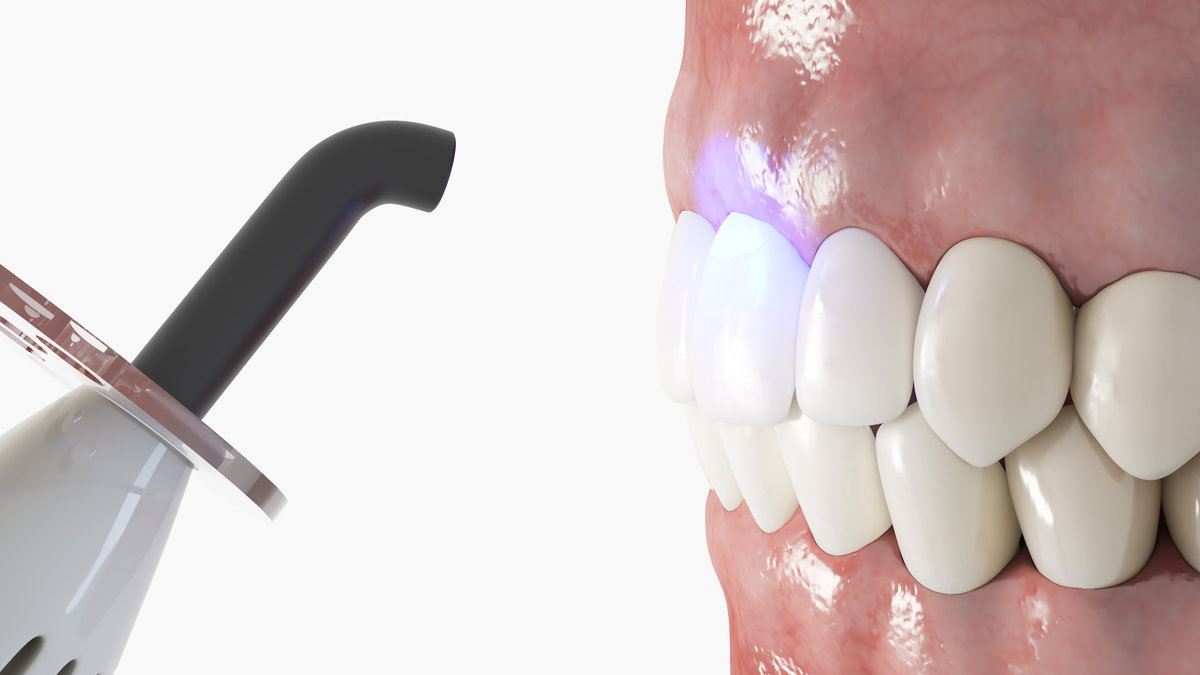
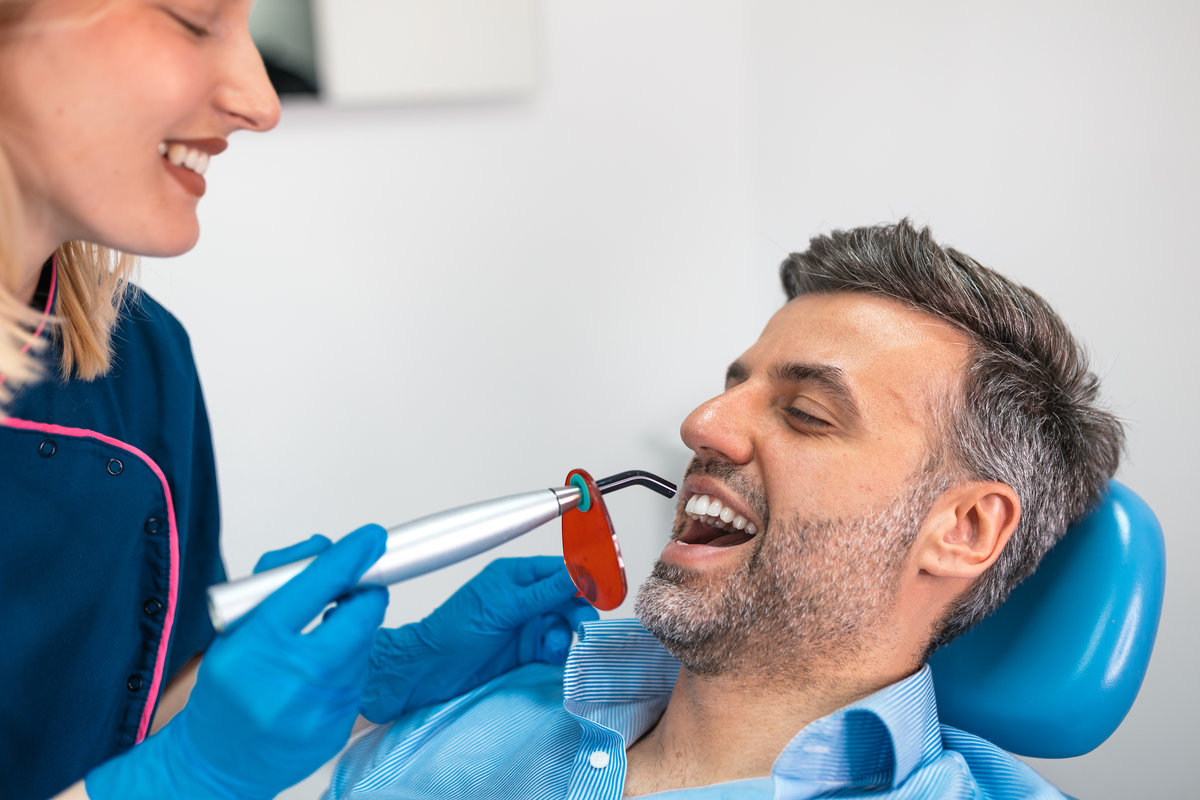
Your dentist begins by selecting a resin shade that closely matches your surrounding teeth, then lightly roughens the surface and applies a conditioning liquid so the material adheres properly. From there, the resin is applied, shaped by hand, and hardened with a curing light. A final round of trimming and polishing gives the tooth a smooth, natural finish. In most cases, no anesthesia is needed, which means there is no lingering numbness or recovery time after your visit.
A Conservative Approach by Design
One of the reasons bonding appeals to so many patients is that it asks so little of your natural tooth structure. As the Cleveland Clinic explains:
“Porcelain veneers and dental crowns require removing a significant amount of enamel so the materials stick. But dental bonding typically doesn’t require enamel removal… Because dental bonding doesn’t require enamel removal, it can be reversed at any time.”
That reversibility gives patients the freedom to explore other cosmetic options down the road without having permanently altered their teeth.
What Bonding Can Address
Bonding is a versatile option for a range of minor cosmetic concerns. It works well for teeth that are chipped, slightly cracked, or worn down at the edges. It can also close small gaps between teeth, even out teeth that appear shorter than their neighbors, and improve the look of teeth with mild discoloration that does not respond to professional teeth whitening alone.
Thanks to its conservative nature, bonding preserves more of your natural tooth structure than many alternatives. That makes it a strong first step for patients who want to improve their smile without committing to a more involved procedure right away. For patients considering broader changes, bonding can also complement a larger smile makeover plan. The flexibility of the procedure is part of what makes it appealing to such a wide range of patients.
Bonding vs. Other Cosmetic Options
One of the most common questions we hear is how bonding compares to veneers. Both can improve the look of your front teeth, but they serve different purposes. Bonding is ideal for smaller, isolated corrections and can be reversed because it typically does not require removing enamel. Porcelain veneers cover the entire front surface of a tooth and tend to last longer, with many estimates placing their lifespan at ten to fifteen years or more. Still, they require more preparation and a higher investment.
Dr. Brittany Wood takes time during your consultation to walk you through both options honestly, so you can choose the option that fits your goals and budget. There is no pressure to pursue more involved treatment if bonding will accomplish what you are looking for. That honest, patient-first approach is part of what sets our Virginia Beach practice apart.
Caring for Bonded Teeth
Composite resin is durable, but it is not as strong as natural enamel, so a few simple habits go a long way toward protecting your results. Avoid biting directly into very hard foods with bonded teeth, and try to break habits like nail biting or chewing on pens. Bonding material can also pick up stains over time, so limiting exposure to coffee, tea, and red wine helps keep the color consistent with the rest of your smile.
Beyond those precautions, caring for bonded teeth is no different from caring for the rest of your mouth. Brush twice a day, floss daily, and keep up with your regular dental cleanings and exams. Consistent home care and routine visits are the best way to extend the life of your bonding. If the material chips or wears down over the years, the repair process is straightforward and can usually be handled in a single visit.
See What Dental Bonding Can Do at Shoreline Cosmetic & Family Dentistry
If a small imperfection has been bothering you every time you look in the mirror, dental bonding may be the quickest path to a smile you feel great about. Our Virginia Beach practice offers a comfortable, unhurried environment where you can explore your cosmetic options and make an informed decision with a team that genuinely cares about the outcome.
Reach out through our contact page to request a consultation, and let us help your best smile shine through.
Affiliations & Certifications